Introduction
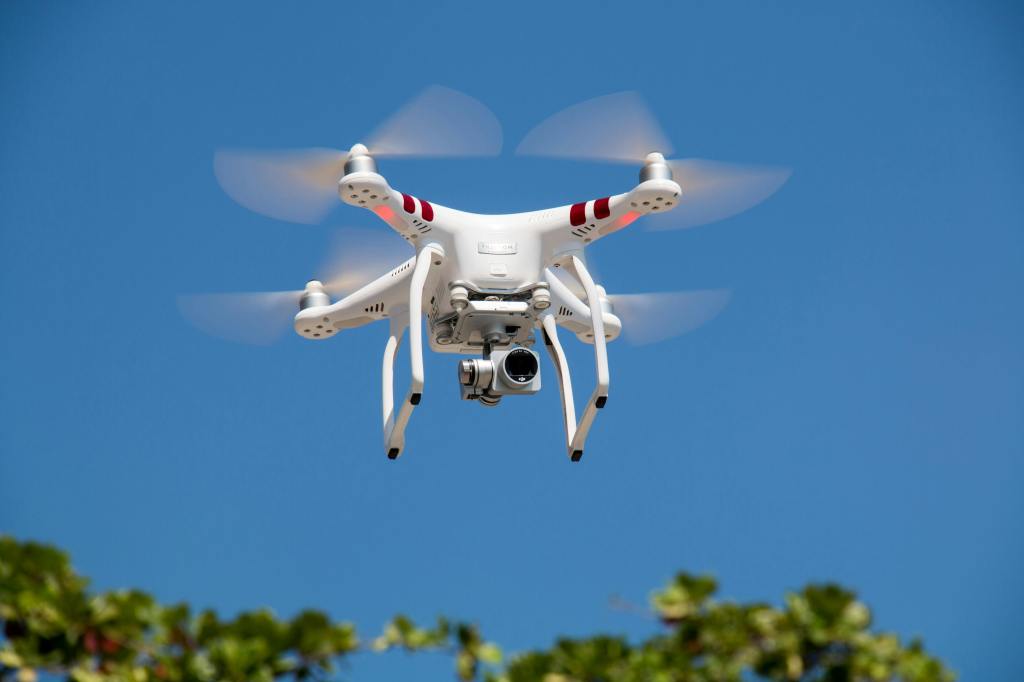
Unmanned Aerial Vehicles (UAVs), commonly known as drones, have rapidly transformed industries worldwide, from agriculture and security to filmmaking and e-commerce. In Kenya, drones present vast opportunities in wildlife conservation, disaster management, and infrastructure development. However, their increased usage raises concerns over privacy, security, and airspace safety. As a result, the Kenyan government has enacted regulatory frameworks to guide the use of drones, ensuring a balance between innovation and compliance.
This article explores the legal framework governing drones in Kenya, including registration, licensing, permitted operations, and penalties for non-compliance.
The Legal Framework for Drones in Kenya
The Kenya Civil Aviation Authority (KCAA) is responsible for regulating drone usage in Kenya. The primary legal instrument governing drones is the Civil Aviation (Unmanned Aircraft Systems) Regulations, 2020, which provides guidelines on ownership, classification, and operational restrictions.
1. Drone Registration and Ownership
Under the 2020 Regulations, all drones must be registered with the KCAA before operation. The key requirements for registration include:
- Proof of ownership and a valid identification document
- Specification details of the drone (model, weight, and purpose)
- Payment of the prescribed registration fee
Both individuals and organizations can own drones in Kenya, but foreign ownership is highly restricted. Foreign nationals or companies must operate their drones through a locally registered entity and obtain prior approval from the KCAA.
2. Drone Classification in Kenya
Drones are categorized based on their intended use:
- Category A: For recreational purposes (e.g., hobbyist drones)
- Category B: Commercial drones used in industries such as photography, agriculture, and surveying
- Category C: Government and security drones for law enforcement, military operations, and emergency response
3. Licensing and Operational Permits
To operate a drone legally in Kenya, users must obtain a Remote Pilot License (RPL) issued by the KCAA. The process involves:
- Undergoing formal drone training from a KCAA-approved training organization
- Passing theoretical and practical assessments
- Meeting health and fitness requirements
Additionally, specific operational permits are required depending on the nature of the drone activity. For instance, commercial operators must obtain a Special Flight Operations Certificate (SFOC) before engaging in activities like aerial mapping or surveillance.
4. Flight Restrictions and No-Fly Zones
Kenya has strict regulations regarding where drones can and cannot fly. The key restrictions include:
- No-fly zones: Drones cannot operate in military zones, national parks, airports, or government buildings without special authorization.
- Height restrictions: Drones must not exceed 400 feet (120 meters) above ground level.
- Daylight operations: Most drones are only allowed to operate during daylight hours unless granted special permission.
- Line of sight: Operators must maintain visual contact with their drones at all times.
Failure to comply with these restrictions could result in fines, drone confiscation, or legal action by the KCAA.
5. Privacy and Data Protection Concerns
As drones become increasingly used for surveillance and data collection, concerns over privacy violations have risen. Kenya’s Data Protection Act, 2019, and the Constitution of Kenya (2010) protect citizens from unauthorized surveillance. Drone operators must:
- Obtain consent before capturing images or videos of individuals
- Avoid recording in private areas without permission
- Ensure compliance with the Data Protection Commissioner’s guidelines on handling and storing drone footage
Violating privacy laws can lead to legal consequences, including lawsuits or regulatory fines.
6. Penalties for Non-Compliance
The Civil Aviation (UAS) Regulations, 2020 outlines penalties for individuals and companies that operate drones illegally in Kenya. Common violations and their consequences include:
- Operating an unregistered drone – Up to KES 2 million ($15,000) fine or 6 months imprisonment
- Flying in restricted areas – Drone confiscation and fines
- Unauthorized commercial operations – Suspension of operating license
- Privacy breaches – Legal action under Kenya’s Data Protection Act
These penalties are meant to deter reckless drone use while ensuring airspace safety.
Future of Drone Legislation in Kenya
Kenya’s drone regulations are still evolving, with the government continuously reviewing policies to accommodate technological advancements and global best practices. Some anticipated developments include:
- Integration of drones into national airspace: Establishing air corridors for UAVs to coexist with commercial aviation
- Eased foreign ownership regulations: Allowing international drone operators to conduct business in Kenya
- Expansion of drone applications: Encouraging the use of drones in healthcare, e-commerce, and emergency response
- Improved data privacy laws: Strengthening legal frameworks to address concerns related to drone surveillance and AI integration
As drone technology becomes more sophisticated, Kenyan authorities must strike a balance between fostering innovation and maintaining national security and public safety.
Conclusion
Drones offer enormous potential in various industries, but their use must be regulated to ensure security, privacy, and operational safety. Kenya’s Civil Aviation (UAS) Regulations, 2020, provide a clear legal framework for drone ownership, licensing, and usage. However, as drone applications continue to expand, legislation must evolve to address emerging challenges and opportunities.
For individuals and businesses looking to operate drones in Kenya, compliance with the law is essential. By understanding and adhering to Kenya’s drone regulations, operators can leverage drone technology responsibly while contributing to economic growth and public safety.
References
- Kenya Civil Aviation Authority (KCAA) Regulations (2020)
- Data Protection Act, 2019
- Constitution of Kenya, 2010
 Site Title
Leave a comment